Invention House
  • Automated Conformal Coater
  • Variable Frequency Drives
    • Single-Phase VFD
    • 3-Phase Motor Drives
    • 400 Hz VFD Motor Drive
    • Expert Motor Control Consulting Services
  • About
    • Whitepapers
    • Meet Our Founder
    • Blog
    • Case Studies
  • Contact
  • Menu Menu

Common Conformal Coating Issues and How to Prevent Them

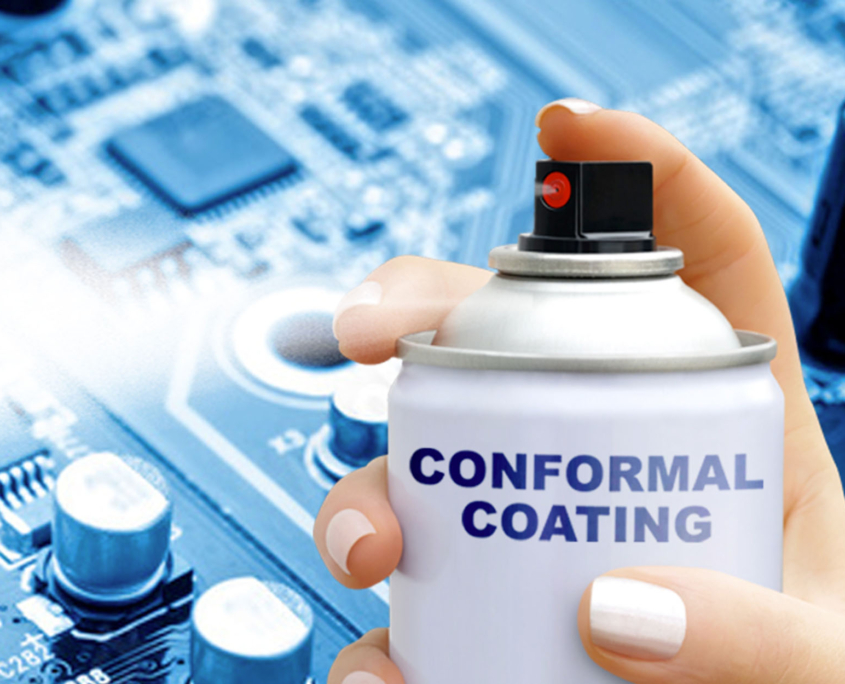
Conformal coating is an essential process where a thin, cosmetic polymeric coating is applied to a printed circuit board’s (PCB) surface to protect it from water, dirt, dust, and other unwanted elements. This process is vital for maximizing the useful life of the equipment. However, it’s not a fool-proof technique, and issues can occasionally develop. However, with the right solutions, you can limit the impact of malfunctions. Learn more about common conformal coating issues and how you can prevent them from occurring.
Common Conformal Coating Defects

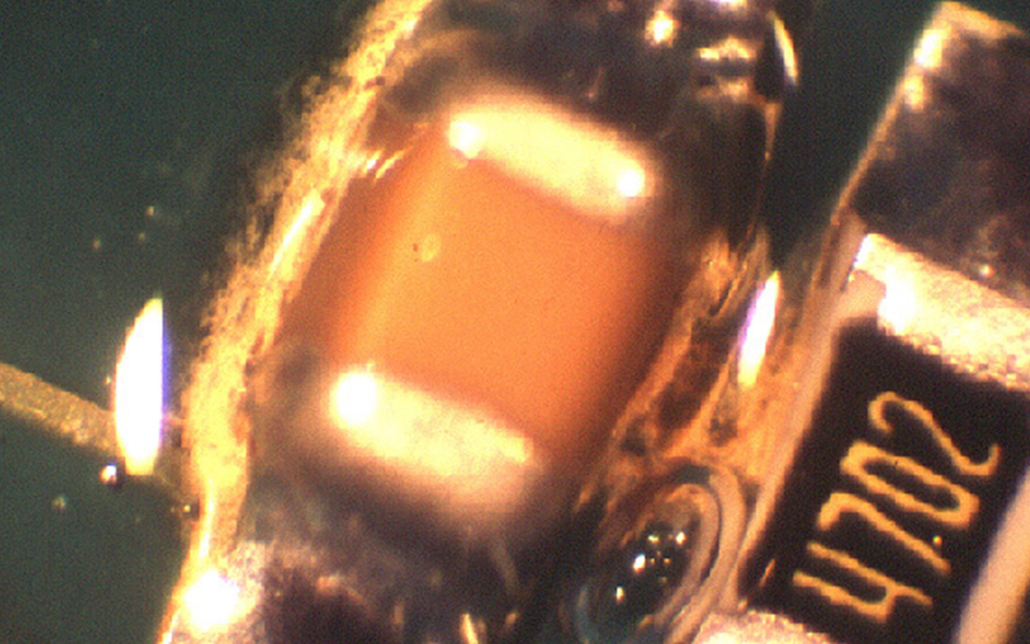
Copper Dendrites

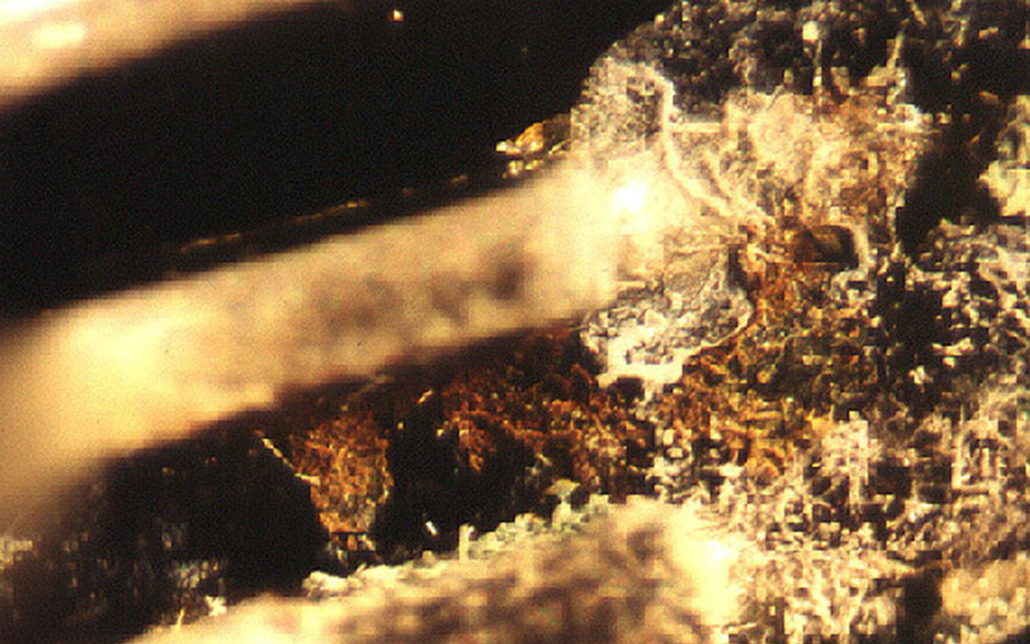
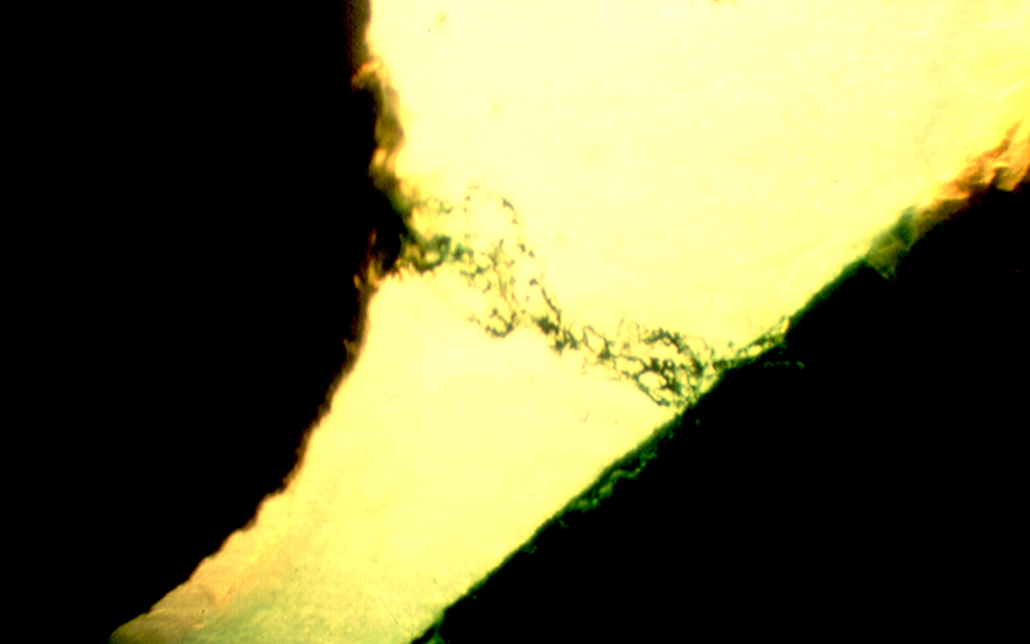
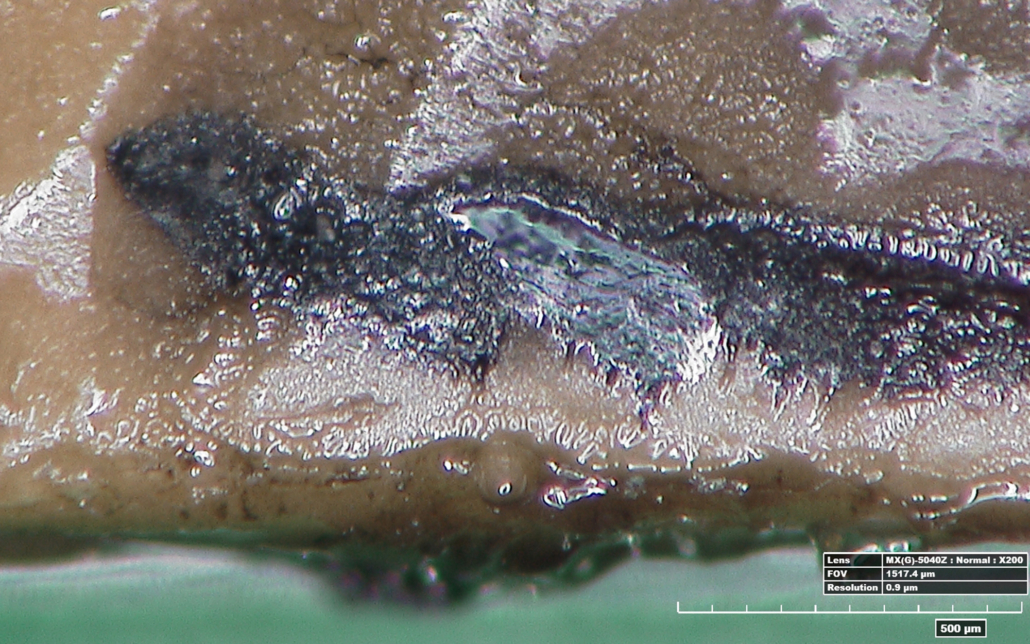
Copper dendrite is one of the most common issues seen while coating PCBs. These occur when moisture is present on the PCB’s surface or in other locations, like on a ceramic substrate or on the surface of a component located between two terminations. This issue leads to copper ferns that grow from one electrode to another and resemble those found on a Christmas tree. Copper dendrites are a problem because excess moisture causes corrosion and can lead to catastrophic failure if ignored.

The best way to prevent copper dendrites from forming is to carefully clean, dry boards and properly set up equipment before starting the coating process.

White Corrosion on Circuit Board

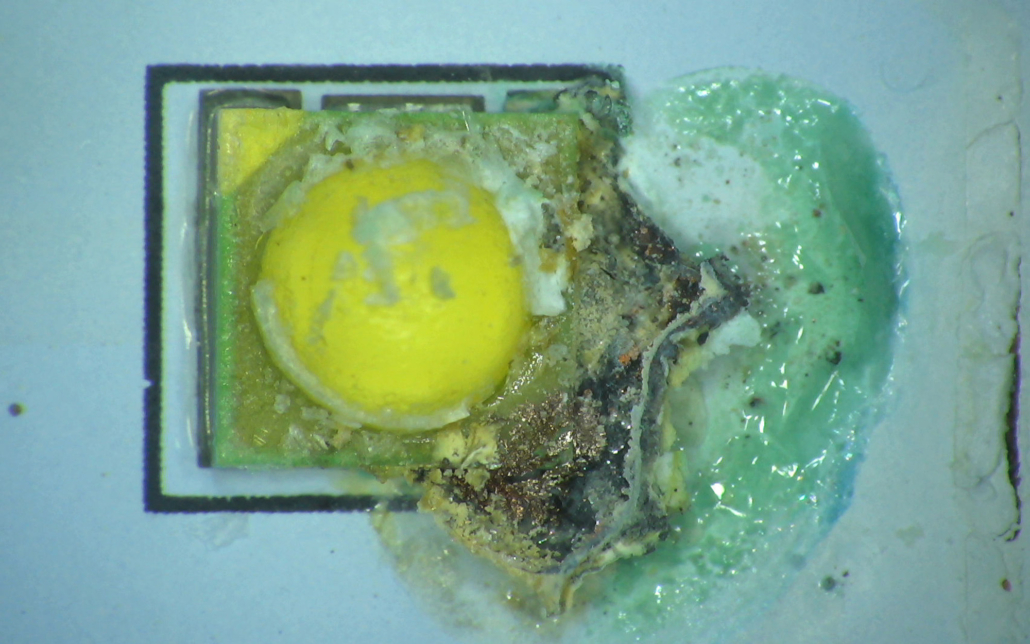
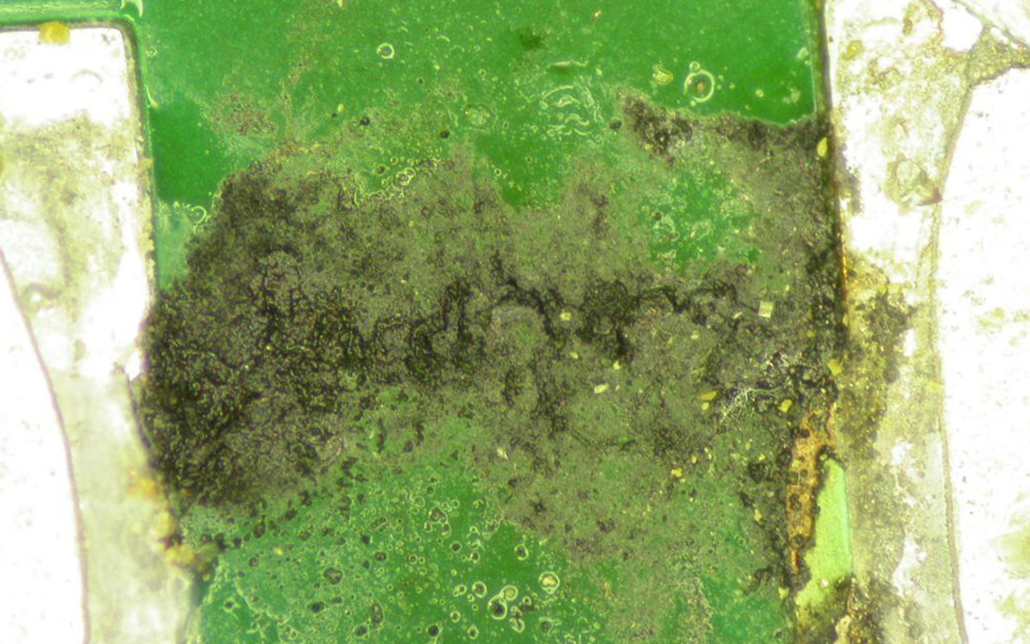
Another common problem that disrupts the coating process is the formation of white corrosion on the circuit boards and components. This is caused by using improper cleaning tools or chemical techniques. It leads to an environment where the flux isn’t soluble and incompatible. White corrosion on circuit boards can impact the useful life and durability of the equipment. When trying to pinpoint the cause of corrosive residue, look at these three areas:

  • Contamination: Material changes, purposeful or accidental, can cause unexpected cleaning and residue issues.
  • Solvent: If the corrosive residue appears as a smooth layer of film, then likely you are using the wrong solvent for that flux.
  • Process: If it’s not contamination or solvents causing the residue, then it’s likely a process issue that needs to be changed.

Conductive Short

A major problem that causes printed board failure is when conductive shorts form on the inner layers of a multilayer board. This is called Conductive Anodic Filamentation, or CAF failure, and can vary in severity. Preventing CAF failure is a top priority for any conformal coating process, here are some of the causes:

  • Moisture and humidity: A high water content is required for CAF failure to occur. Minimizing moisture and humidity is essential to preventing this issue.
  • Acid contamination: Some processes used during fabrication can create acid contaminants and increase the risk of CAF.
  • Voltage: Bias voltage is the power that drives reactions, a low-voltage bias can increase the chances of CAF failure.
  • Pre-existing defects: Fractures, voids, wicking, and other pre-existing issues can cause CAF failure. Be careful when drilling holes into a PCB, not exercising caution can create cracks.

Delamination

Delamination is another common issue that degrades PCB quality and occurs when the coating lifts from the surface, leaving an exposed area where moisture and other unwanted debris can enter. Typical causes of delamination include surface-area cleanliness and a poor coating cure degree. However, it’s possible to prevent this issue from developing by following these best practices:

  • Reduce the thickness of the coating material
  • Minimize force drying processes
  • Remove contaminants before conformal coating
  • Adjust the coating materials to create a more beneficial surface environment.

Bubbles

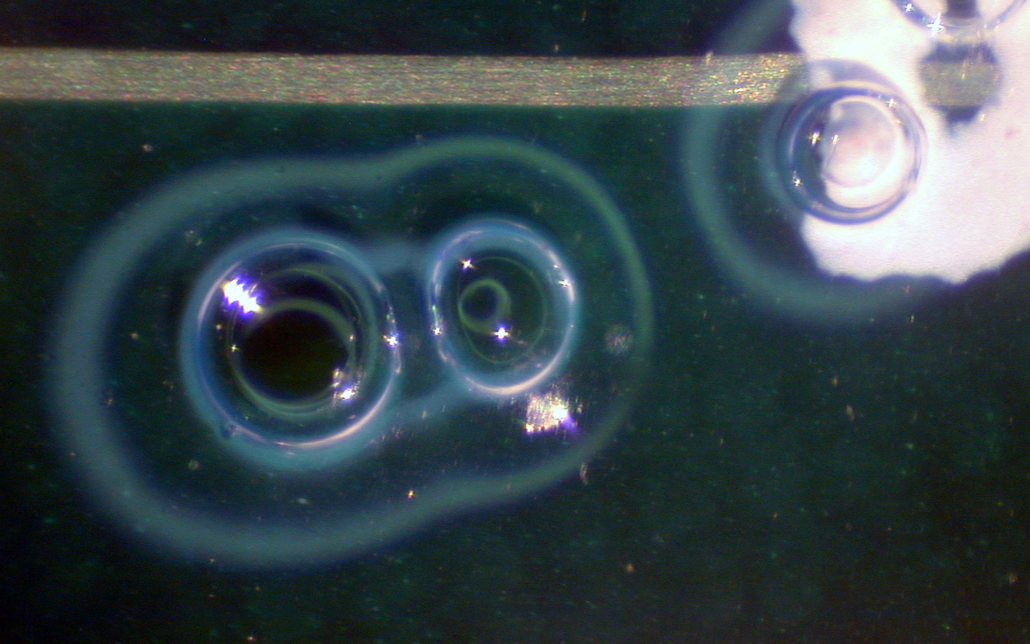
Bubbles, pinholes, and foam are among the most common conformal coating issues. These develop when air pockets get trapped under a conformal coating layer. Foam is the most extreme example and, when they pop, creates pinholes. Using a coating that’s too thick or viscous can increase the likelihood of bubbles.

If you’re looking to prevent bubbles from forming, here are some helpful tips:

  • Use a conformal coating material with a lower viscosity
  • Verify the coating layer is applied at the ideal thickness
  • Some coating materials are potentially more bubbly than others, check with your coating vendor and different coatings.
  • Apply coats in thin layers

Conformal Coating on Connector Pins

Conformal coating getting on connector pins, or other keep-out zones, can create malfunctioning equipment. This is especially true for areas that are sensitive to underfilling. Carefully applying the coating material is essential to verify it doesn’t cover unwanted areas.

Download Conformal Coating Inspection Chart

Prevent Conformal Coating Issues With Invention House

User error is a common cause of conformal coating defects. Many processes are reliant on operator experience and poor control can lead to an uneven layer – especially manual brush and manual spray coating processes. Invention House understands the frustrations that come with common problems.

We leveraged our knowledge of coating techniques to create the Raphael 4040, an automated coating robot that combines 3D automation and a robotic brush to streamline coating processes. Operators can increase precise coating while reducing waste by following these steps:

Step One: Board Layout Implementation

The first step in our process is programming the path by implementing a Gerber file or board image into Raphael Suite, our proprietary software program. The operator then sets the PCB’s X, Y, and Z dimensions to set boundaries.

Step Two: Coating Path Creation

The operator uses Raphael’s built-in joystick, keyboard, and easy-to-use click-and-drag actions to create a series of coating segments. This path is completed as a dry-run, allowing the user to make an optimal path without wasting product.

Step Three: Wet Run

After finalizing the preferred path, the operator then selects a single PCB, activates the pumps, and conducts a wet run. We recommend paying attention to flow and brush movement to ensure coating accuracy and making adjustments when needed.

Step Four: Full-Run Production

Full production can begin after successfully completing a series of wet runs. Inspecting early samples allows the operator to make sure it’s meeting their specifications and make the necessary small tweaks.

Invention House is proud to serve our clients with industry-leading motor control solutions. Along with our conformal coating robot, our team also offers single-phase, 3-phase, and 400 Hz motor drives that are military-grade and built to withstand extreme conditions in any environment. Contact us today to learn more about how our equipment reduces common conformal coating issues.

Want to Learn More About Common Conformal Coating Issues?

Check out our latest webinar and learn more about conformal coating defects that can impact equipment.

Learn More

Share This Post

  • Share on Facebook
  • Share on X
  • Share on LinkedIn
  • Share on Reddit
  • Share by Mail

Related Postings

Buying a Ruggedized Motor Drive: 3-Phase or Single-Phase

Uncategorized
Read more
October 31, 2022
https://www.inventionh.com/wp-content/uploads/2022/10/ac-drives-lineup.jpg 1250 2000 Nate Riggins /wp-content/uploads/2022/10/Invention-House-Logo-Color.png Nate Riggins2022-10-31 10:54:502026-07-11 15:26:51Buying a Ruggedized Motor Drive: 3-Phase or Single-Phase

James Webb Telescope Shipping Container Supported by Invention House Motor Drive

Uncategorized
Read more
August 1, 2022
https://www.inventionh.com/wp-content/uploads/2023/01/James-Webb-Telescope.jpg 1250 2000 Nate Riggins /wp-content/uploads/2022/10/Invention-House-Logo-Color.png Nate Riggins2022-08-01 16:10:462026-07-11 15:26:52James Webb Telescope Shipping Container Supported by Invention House Motor Drive

When does developing a custom VFD make sense?

Uncategorized
Read more
March 9, 2016
https://www.inventionh.com/wp-content/uploads/2016/03/Custom-VFD-Checklist.jpg 1250 2000 Nate Riggins /wp-content/uploads/2022/10/Invention-House-Logo-Color.png Nate Riggins2016-03-09 14:03:042026-07-11 15:26:53When does developing a custom VFD make sense?

Categories

  • Conformal Coating
  • Linear Motor Drives
  • Press Releases
  • Uncategorized
  • Variable Frequency Drives
  • VFD Application
  • VFD Management

Contact Us

"*" indicates required fields

Location

Address
538 A Leffingwell, Ave.
St. Louis, MO 63122

Get In Touch

Phone
314-517-5547

Email
info@inventionh.com

Products

400 Hz Motor Drives

3 Phase Motor Drives

Single Phase Motor Drives

Automated Conformal Coater

About Us

Engineering reliable, efficient, and economical motor control products for our customers. Our machines are American-made, operating in challenging environments, and meet strict military-grade compliance.

Learn More
Website by Abstrakt Marketing Group © 2022
  • Sitemap
  • Privacy Policy
Link to: Single Phase VFD vs 3-Phase Link to: Single Phase VFD vs 3-Phase Single Phase VFD vs 3-Phase Link to: What is Conformal Coating? Link to: What is Conformal Coating? Close up image of a circuit board.What is Conformal Coating?
Scroll to top Scroll to top Scroll to top

This site uses cookies. By continuing to browse the site, you are agreeing to our use of cookies.

OKLearn more

Cookie and Privacy Settings


How we use cookies

We may request cookies to be set on your device. We use cookies to let us know when you visit our websites, how you interact with us, to enrich your user experience, and to customize your relationship with our website.

Click on the different category headings to find out more. You can also change some of your preferences. Note that blocking some types of cookies may impact your experience on our websites and the services we are able to offer.

Essential Website Cookies

These cookies are strictly necessary to provide you with services available through our website and to use some of its features.

Because these cookies are strictly necessary to deliver the website, refusing them will have impact how our site functions. You always can block or delete cookies by changing your browser settings and force blocking all cookies on this website. But this will always prompt you to accept/refuse cookies when revisiting our site.

We fully respect if you want to refuse cookies but to avoid asking you again and again kindly allow us to store a cookie for that. You are free to opt out any time or opt in for other cookies to get a better experience. If you refuse cookies we will remove all set cookies in our domain.

We provide you with a list of stored cookies on your computer in our domain so you can check what we stored. Due to security reasons we are not able to show or modify cookies from other domains. You can check these in your browser security settings.

Other external services

We also use different external services like Google Webfonts, Google Maps, and external Video providers. Since these providers may collect personal data like your IP address we allow you to block them here. Please be aware that this might heavily reduce the functionality and appearance of our site. Changes will take effect once you reload the page.

Google Webfont Settings:

Google Map Settings:

Google reCaptcha Settings:

Vimeo and Youtube video embeds:

Accept settingsHide notification only